Easy pickled Brussels sprouts are a delightful and surprisingly simple way to preserve this nutritious vegetable, adding a bright, tangy flavor to your meals. Understanding how to safely water bath can these vibrant sprouts means you can enjoy their goodness long after the fresh season. This process is particularly relevant for those who enjoy cooking with fresh produce, want to reduce food waste, or are looking for convenient ways to incorporate more vegetables into their diet.
This article will guide you through the straightforward steps of water bath canning for Brussels sprouts. We’ll cover everything from selecting the right sprouts and preparing your ingredients to the canning process itself and ensuring a good seal. Our goal is to provide you with a reliable and reassuring method for creating delicious pickled Brussels sprouts to enjoy anytime.
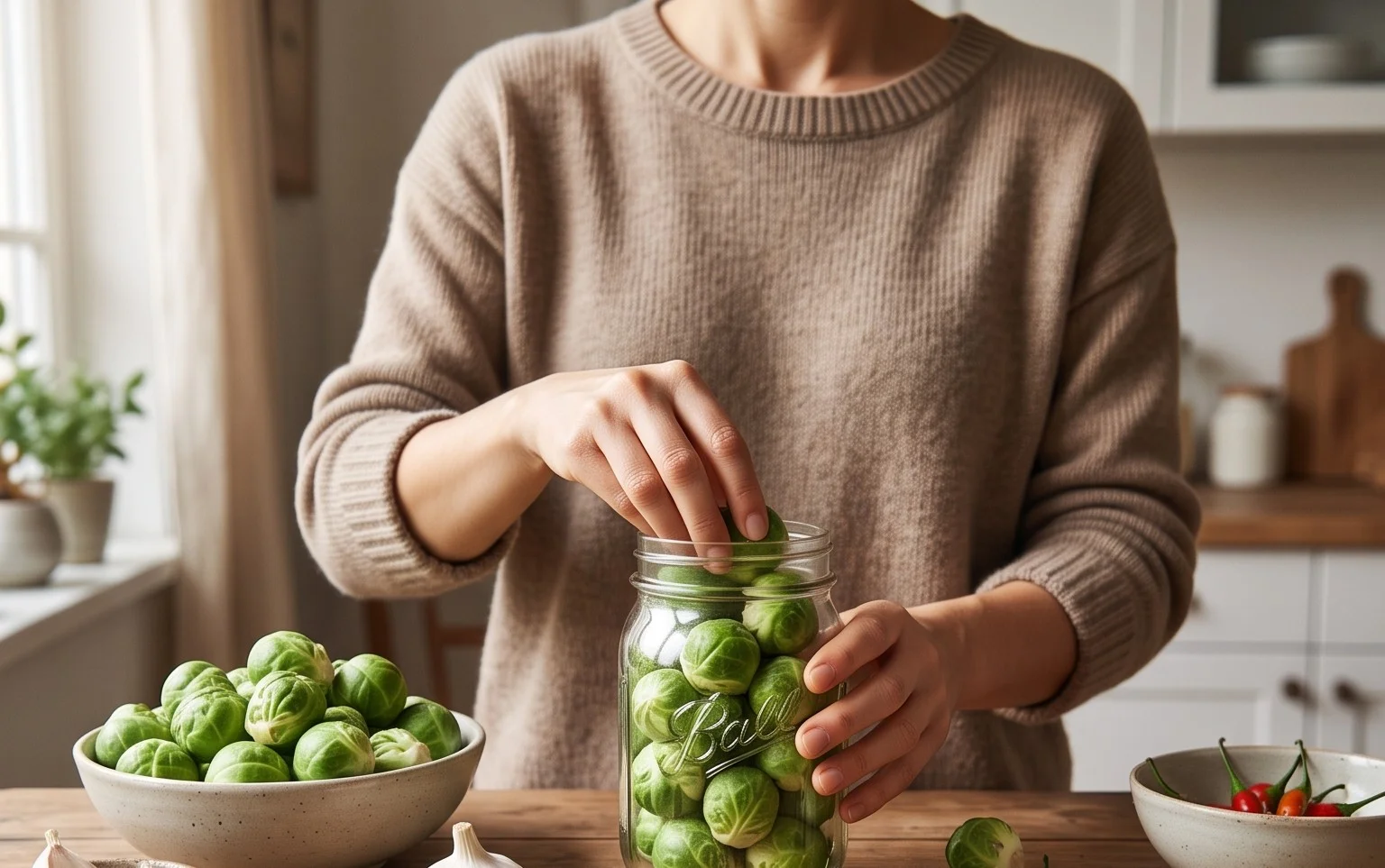
The allure of quick, flavorful additions to meals is undeniable, and when it comes to vegetables, a little zest can go a long way. Pickled Brussels sprouts, especially when prepared using the water bath canning method, offer a delightful crunch and a tangy counterpoint to richer dishes. This method, while seemingly technical, is actually a straightforward and highly effective way to preserve these cruciferous gems for enjoyment year-round.
Understanding Easy Pickled Brussels Sprouts (Water Bath Canning)
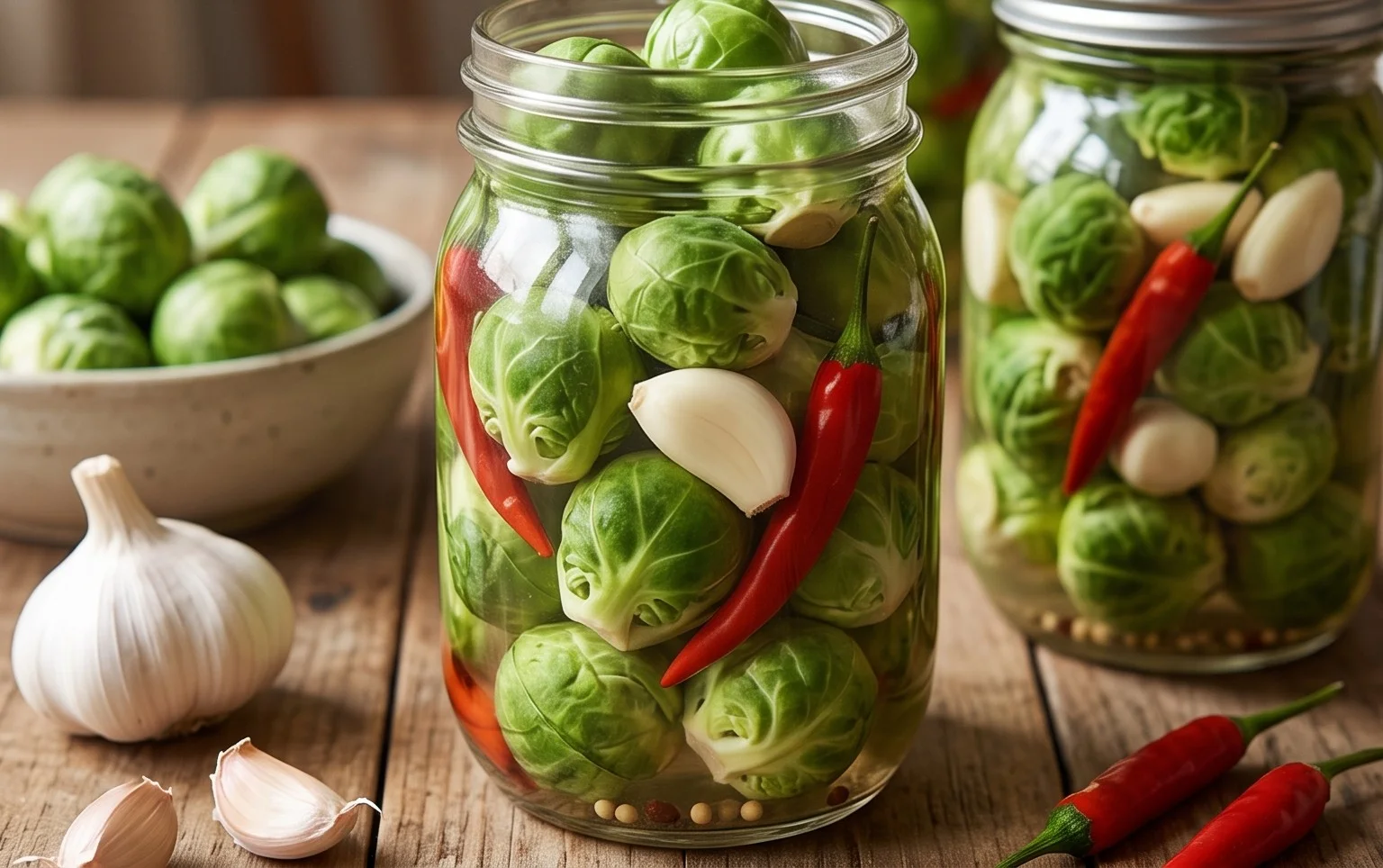
At its core, pickling is a preservation technique that uses brine, typically a solution of vinegar, water, and salt, to inhibit the growth of spoilage microorganisms. Vinegar’s acidity is the key player here, creating an environment where many common bacteria and molds cannot survive. Brussels sprouts, often enjoyed roasted or steamed, take on a completely new character when pickled. They become tender yet retain a pleasant crispness, with a bright, acidic flavor that can cut through fattiness or add a welcome tang to salads, charcuterie boards, or even as a simple side dish.
Water bath canning is a specific method of preserving acidic foods, like pickled vegetables, at home. It involves submerging sealed jars filled with the food and liquid into a large pot of boiling water for a set amount of time. The boiling water and steam create pressure inside the jars, which forces air out and helps to form a vacuum seal as the jars cool. This process not only preserves the food but also makes it shelf-stable, meaning it can be stored at room temperature for extended periods. The beauty of this method for pickled Brussels sprouts is its relative simplicity and the fact that it ensures a safe and long-lasting product, making those delicious tangy sprouts accessible whenever you desire.
Common Signs or Factors Influencing the Need for Preservation
Several factors might lead you to consider pickling Brussels sprouts. One of the most common is seasonality. Brussels sprouts are typically harvested in the cooler months, but their peak freshness can be fleeting. If you find yourself with an abundance of fresh sprouts and want to enjoy them beyond their natural season, pickling is an excellent solution. Another factor is simply wanting to add variety to your diet. While raw or cooked Brussels sprouts are nutritious, their flavor can become repetitive. Pickled sprouts offer a distinct taste and texture that can liven up everyday meals.
Furthermore, a desire for convenient, ready-to-eat healthy options is a strong motivator. Having a jar of pickled Brussels sprouts on hand means you can quickly add a nutritious and flavorful component to lunches, snacks, or impromptu appetizers without much preparation. For those who appreciate the DIY aspect of food preparation, the process of pickling and canning can be a rewarding hobby, offering a sense of accomplishment and control over the ingredients and flavors of your food.
General Guidance on Safe Food Preservation
Health authorities generally emphasize the importance of safe food preservation practices to prevent foodborne illnesses. For water bath canning, the fundamental guidance revolves around using recipes that have been tested for safety. This means sticking to reliable sources for recipes, often those provided by university extension offices or reputable culinary organizations. These tested recipes ensure the correct balance of acidity (pH level) and processing times, which are crucial for eliminating harmful microorganisms.
The general advice also highlights the importance of using the correct equipment, including jars, lids, and a canner. Ensuring jars are clean and free from defects, and that lids are new and properly applied, is paramount to achieving a good seal. Processing times are non-negotiable and should be followed precisely, often adjusted for altitude if you live at higher elevations. Proper storage of canned goods, in a cool, dark, and dry place, is also a key recommendation to maintain quality and safety. Finally, before consuming any home-canned food, it’s always advised to inspect the jars for signs of spoilage, such as bulging lids, leaks, or unusual odors, and to discard any jars that appear compromised.
Practical Everyday Habits for Enjoying Pickled Brussels Sprouts
Incorporating pickled Brussels sprouts into your daily routine is incredibly simple and can significantly boost the nutritional and flavor profile of your meals.
* Add a handful of pickled sprouts to your lunchtime salad for a burst of acidity and crunch.
* Serve them alongside grilled meats or fish to provide a refreshing contrast.
* Chop them finely and mix them into a tuna or chicken salad for an unexpected tangy twist.
* Include them on a cheese and cracker platter or a charcuterie board for a sophisticated appetizer.
* Dice them and sauté them with other vegetables for a quick and flavorful side dish.
* Enjoy them straight from the jar as a low-calorie, high-fiber snack.
These everyday habits demonstrate how easily pickled Brussels sprouts can elevate common meals without requiring extensive preparation, making healthy and delicious choices readily available.
What the Evidence Does and Does Not Support
The evidence overwhelmingly supports the safety and efficacy of water bath canning for low-acidic foods like pickled Brussels sprouts when done according to tested recipes. Scientific consensus confirms that the high acidity provided by vinegar in properly prepared pickling brine, combined with the heat processing of water bath canning, effectively eliminates or inhibits the growth of harmful bacteria, yeasts, and molds. This makes them safe for shelf-stable storage. Studies have repeatedly shown that following established guidelines significantly reduces the risk of foodborne illnesses.
However, it’s important to clarify what the evidence does not support. It does not support the idea that any homemade pickled vegetable is inherently safe without following specific guidelines. Deviating from tested recipes, using incorrect processing times, or neglecting to check for proper seals can compromise safety. The evidence also doesn’t support the notion that pickling or canning significantly destroys the nutritional value of Brussels sprouts. While some water-soluble vitamins might be slightly reduced, the overall nutrient content, including fiber and key minerals, remains largely intact. Furthermore, there is no evidence to suggest that pickled Brussels sprouts possess any unique medicinal properties beyond the general health benefits associated with consuming Brussels sprouts and vinegary foods.
Common Myths Worth Correcting
Several myths surround home food preservation, and it’s important to address them to ensure safety and encourage confidence in the process.
* **Myth 1: If a jar seals, it’s automatically safe.** While a good seal is essential, it’s not the only indicator of safety. Even sealed jars can contain spoiled food if the canning process was flawed. Always inspect for other signs of spoilage before consuming.
* **Myth 2: You can use any jar for canning.** Only specific canning jars with matching lids and bands are designed for the pressure and heat involved in the canning process. Regular jars or lids are not safe and can lead to seal failures and potential spoilage.
* **Myth 3: “Old-fashioned” or “Grandma’s” recipes are always safe.** While many traditional recipes have stood the test of time, food safety science has evolved. It’s crucial to use up-to-date, tested recipes from reliable sources to ensure the correct acidity and processing times for safety.
* **Myth 4: Over-processing is harmless.** While under-processing is a significant safety concern, over-processing can degrade the quality of the food, making it mushy and less appealing. It can also lead to nutrient loss. Following recommended processing times is key.
When to Speak to a Qualified Professional
While this article provides general information on preparing and enjoying pickled Brussels sprouts, it is essential to recognize that individual health needs and circumstances vary. There are specific situations where consulting a qualified healthcare professional is not just recommended but crucial.
Consult a Qualified Healthcare Professional for Personal Advice
If you have any underlying health conditions, particularly those affecting your immune system, or if you are pregnant, it is always best to discuss incorporating new foods or preservation methods into your diet with your doctor or a registered dietitian. They can offer personalized advice based on your specific health profile and dietary needs. Furthermore, if you experience any adverse reactions after consuming home-canned foods, such as nausea, vomiting, or any other concerning symptoms, seek immediate medical attention. Do not hesitate to consult a healthcare provider if you have any doubts about the safety of your home-canned goods or if you are experiencing persistent digestive issues. For personalized dietary guidance and to ensure that your food choices align with your overall health and wellness goals, professional consultation is invaluable.
Conclusion
Embracing new, healthy habits doesn’t have to be overwhelming. This easy pickled Brussels sprouts recipe offers a simple, delicious way to incorporate more vibrant flavors and nutrients into your diet. Remember, the goal is gradual progress, not perfection. Small, sustainable changes, like adding these delightful pickled Brussels sprouts to your meals, can lead to significant long-term improvements in your overall wellness journey. This information is intended for general guidance only and should not be considered a substitute for professional medical advice. Always consult with a qualified healthcare provider for any health concerns or before making any changes to your diet or lifestyle. We encourage you to continue exploring related topics on our site to further enhance your health and well-being.