Powerful proprioceptive activities offer a simple yet profound way to enhance your well-being every single day. Proprioception, often called our “sixth sense,” is the awareness of your body’s position and movement in space. When this sense is functioning optimally, it helps us feel grounded, steady, and in control. Think of it as your body’s internal navigation system; when it’s clear, you experience greater calm, improved focus, and a balanced sense of alertness.
This concept is relevant to everyone, but particularly beneficial for those who experience overwhelm, distraction, or a general feeling of being “out of sorts.” In this article, we will explore accessible and effective proprioceptive exercises that can help you cultivate a deeper connection with your body. We’ll delve into activities designed to promote a sense of calm, sharpen your mental focus, and gently increase your alertness when needed, all without any alarm or promises of miraculous cures.
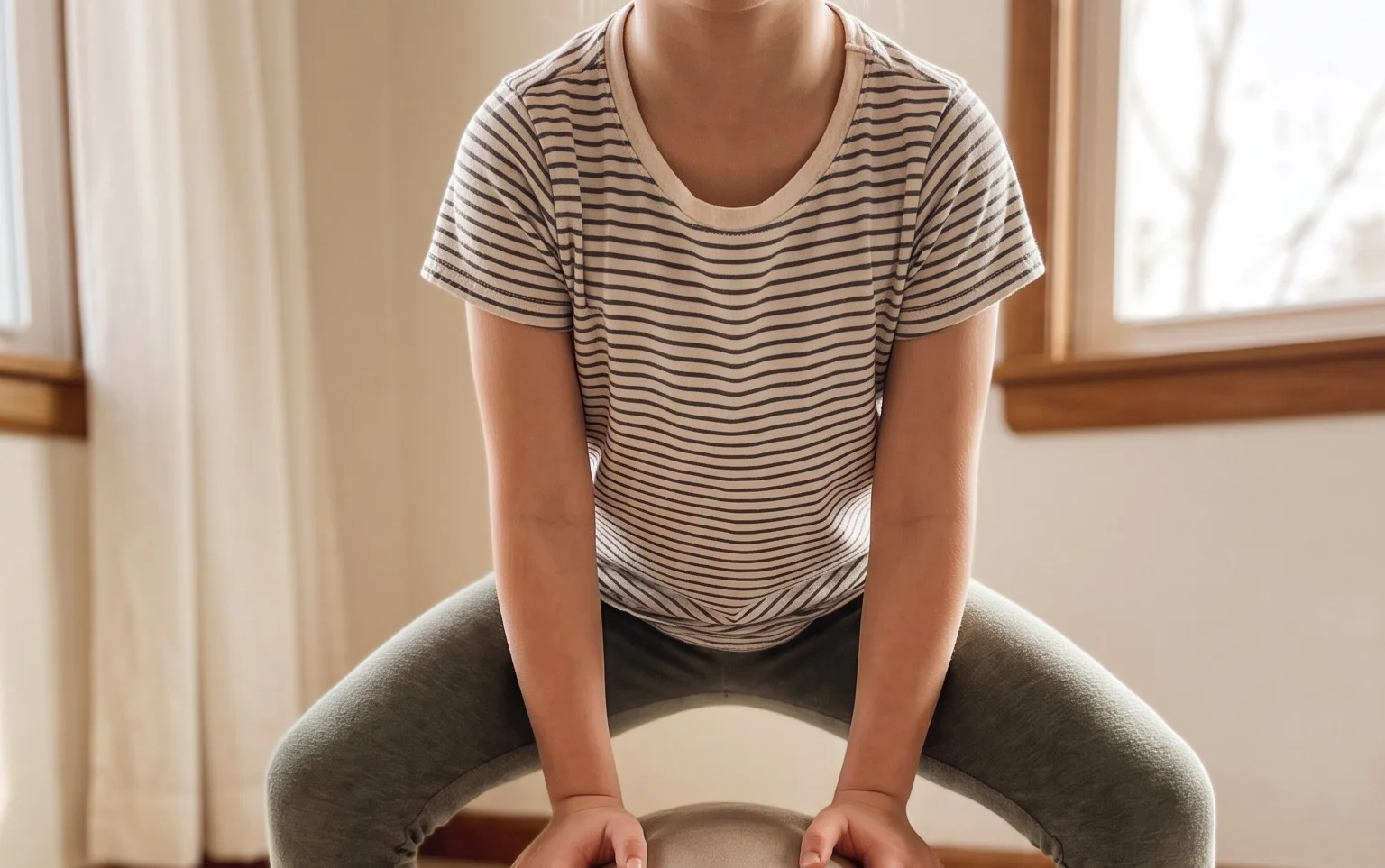
Unlock Your Inner Balance: Proprioceptive Activities for Calm, Focus, and Alertness
In our fast-paced world, it’s easy to feel overwhelmed, scattered, or simply out of sync. We juggle demanding jobs, family responsibilities, and a constant stream of information, often leaving us feeling mentally drained and physically restless. But what if there was a way to tap into your body’s own natural capacity for regulation, to find a state of calm, sharpen your focus, and increase your alertness, all through simple, accessible movements? Enter proprioception, your body’s often-unsung hero.
What Exactly is Proprioception?
In plain language, proprioception is your body’s internal “sixth sense.” It’s the awareness of your body’s position, movement, and balance in space. Think about it: when you close your eyes, you still know where your hands are, whether you’re standing or sitting, and how much you’re bending your knees. This isn’t magic; it’s proprioception at work. Tiny sensory receptors, called proprioceptors, are located in your muscles, tendons, and joints. They constantly send signals to your brain, providing real-time information about your body’s state. This feedback loop allows you to navigate your environment, perform complex movements, and even maintain your posture without consciously thinking about every single action.
Common Signs and Factors Affecting Proprioception
When proprioception isn’t functioning optimally, it can manifest in several ways. You might notice:
* A tendency to bump into things or misjudge distances.
* Difficulty with tasks requiring fine motor skills, like writing or buttoning clothes.
* A feeling of clumsiness or unsteadiness, even when standing still.
* An increased need for sensory input, such as fidgeting, rocking, or seeking strong physical sensations.
* Trouble maintaining focus, especially in busy or stimulating environments.
* Feeling easily startled or overwhelmed by sudden noises or movements.
* Discomfort or pain in joints due to poor body alignment or awareness.
* Fatigue that seems disproportionate to your physical activity level.
Several factors can influence proprioceptive abilities. These can include prolonged periods of inactivity, certain neurological conditions, injuries affecting muscles and joints, stress, fatigue, and even the natural aging process. For children, developmental stages and specific learning challenges can also play a role in how their proprioceptive system develops and functions.
General Guidance for Supporting Proprioception
Health authorities generally emphasize the importance of movement and sensory engagement for overall well-being, including the optimal functioning of our sensory systems. The guidance often points towards incorporating regular physical activity that challenges balance and coordination. This is understood to stimulate the proprioceptive pathways and strengthen the body’s internal feedback mechanisms. Furthermore, many recommendations highlight the benefits of engaging in activities that provide varied and rich sensory experiences, as these can help to build a more robust and responsive proprioceptive system. The general consensus is that consistent, mindful movement is key to maintaining and improving proprioceptive awareness throughout life.
Practical Everyday Habits to Boost Your Proprioception
The good news is that you don’t need specialized equipment or dedicated time to benefit from proprioceptive activities. Many simple, everyday habits can significantly enhance your body’s awareness:
* Mindful Walking: Instead of rushing through your commute or errands, pay attention to the sensation of your feet hitting the ground. Notice the shift in weight, the engagement of your calf muscles, and the balance required with each step. Try walking barefoot on different surfaces at home – grass, carpet, or a smooth floor – to experience varied textures and proprioceptive input.
* Stair Climbing: Navigating stairs is a fantastic proprioceptive workout. Focus on the controlled flexion and extension of your knees and hips, the coordination required to lift your body weight, and the stability needed to maintain balance.
* Reaching and Grasping: When reaching for objects, be mindful of the movement of your arm and shoulder. Practice reaching for items at different heights and distances, noticing the subtle adjustments your body makes to achieve the goal. When grasping, pay attention to the pressure you apply and the feedback from the object.
* Standing on One Leg: This simple exercise can be done while brushing your teeth, waiting in line, or during commercial breaks. Start by holding onto something for support, then gradually progress to freestanding. This directly challenges your balance and proprioceptive feedback.
* Body Scans and Awareness Exercises: Dedicate a few minutes each day to simply noticing your body. Where is your weight distributed? Are your shoulders tense? Is your jaw clenched? This conscious attention to bodily sensations builds a stronger connection between your mind and your physical self.
* Stretching and Yoga Poses: Many yoga poses inherently require balance, coordination, and an awareness of body position. Even simple stretches, done with attention to the feeling in your muscles and joints, can be proprioceptively beneficial. Poses like Mountain Pose, Warrior poses, and Tree Pose are excellent starting points.
* Pushing and Pulling Activities: Everyday tasks like opening doors, pushing a grocery cart, or carrying heavy bags engage your muscles and provide proprioceptive input. Focus on the effort and control involved in these actions.
* Engaging in Playful Movement: For both children and adults, activities like jumping on a trampoline, dancing, or playing catch can be highly effective. These movements are often less structured and more engaging, providing a rich sensory experience.
What the Evidence Does and Does Not Support
Research increasingly supports the idea that regular engagement in proprioceptively rich activities can lead to tangible benefits. Studies suggest that such activities can improve balance, coordination, and motor control. For individuals experiencing sensory processing challenges, targeted proprioceptive interventions have shown promise in helping to regulate arousal levels, leading to improved focus and reduced anxiety. The evidence also points to the positive impact of these activities on body awareness, which can contribute to better posture and a reduced risk of injuries.
However, it’s important to note what the evidence does not currently support. While these activities are generally beneficial for well-being, they are not a standalone cure for all conditions. For example, while proprioceptive exercises can help manage symptoms associated with certain neurological disorders, they are typically part of a broader treatment plan. It’s also crucial to understand that the effectiveness of these activities can vary significantly from person to person, depending on individual factors and the consistency of practice.
Common Myths Worth Correcting
Several misconceptions surround proprioception and related activities. Let’s address a few:
* Myth: Proprioception is only for athletes or children. This is untrue. Proprioception is a fundamental sensory system crucial for everyone, regardless of age or activity level. Maintaining good proprioceptive function is important for daily life and for preventing falls and injuries as we age.
* Myth: You need expensive equipment to improve proprioception. As highlighted by the practical habits, many effective proprioceptive activities require no special equipment at all. Simple movements and mindful awareness are often sufficient.
* Myth: Proprioceptive activities are always strenuous and tiring. While some activities can be physically demanding, many are gentle and can even be calming. The key is to find activities that suit your current energy levels and sensory needs.
* Myth: If you’re clumsy, you’ll always be clumsy. Clumsiness can often be linked to underdeveloped or under-stimulated proprioceptive pathways. With consistent practice of proprioceptive exercises, many individuals can significantly improve their coordination and spatial awareness.
When to Seek Professional Guidance
While incorporating proprioceptive activities into your daily routine is generally safe and beneficial, there are times when it’s important to consult with a qualified healthcare professional.
Signs That Mean Someone Should Speak to a Qualified Professional
* If you experience persistent or severe difficulties with balance, coordination, or spatial awareness that interfere with your daily life.
* If you have a diagnosed neurological condition or a history of significant injuries that might affect your proprioceptive system.
* If you notice sudden or unexplained changes in your body awareness or motor control.
* If you experience chronic pain that you suspect might be related to poor body mechanics or proprioceptive deficits.
* If you have concerns about a child’s development, particularly regarding their gross motor skills, balance, or sensory processing.
* If you feel overwhelmed by sensory input and find it difficult to regulate your arousal levels, and everyday strategies are not providing sufficient relief.
A qualified healthcare professional, such as a physical therapist, occupational therapist, or a physician specializing in neurology or rehabilitation, can conduct a thorough assessment of your proprioceptive function. They can help identify any underlying issues and develop a personalized plan tailored to your specific needs. This might include targeted exercises, sensory strategies, or referrals to other specialists if necessary. Remember, seeking professional advice is a sign of proactive self-care, ensuring you receive the most appropriate and effective support for your well-being.

Conclusion
Integrating powerful proprioceptive activities into your daily routine can be a gentle yet effective path to enhanced calm, focus, and alertness. Remember, the goal isn’t perfection but consistent progress. Start with small, manageable changes – perhaps a few minutes of mindful movement each day or incorporating sensory input during transitions. These small, sustainable shifts are far more likely to become lasting habits than overwhelming overhauls. Please remember that the information provided here is for general guidance only and should not replace professional medical advice. Always consult with a healthcare provider for any health concerns. We encourage you to continue exploring this fascinating area of sensory integration and its impact on your well-being.