Homemade fruit leather offers a delightful and healthy alternative for snacks your kids will genuinely enjoy. It’s a simple, nutritious treat made from pureed fruit, providing a natural source of vitamins and fiber to fuel their busy days. This is especially relevant for parents seeking ways to incorporate more wholesome options into their children’s diets, moving away from processed snacks with less nutritional value.
Our article will guide you through the easy process of creating this fun snack. We’ll cover everything from selecting the best fruits and simple preparation steps to baking and storing your delicious fruit leather. You’ll learn how to make a satisfying treat that aligns with your family’s wellness goals, offering a guilt-free option for school lunches or after-school munchies.

Homemade Fruit Leather: A Nutritious Treat Your Kids Will Adore
As parents, we’re constantly seeking ways to nourish our children with wholesome foods while also satisfying their cravings for something sweet and fun. Store-bought snacks often come laden with added sugars, artificial colors, and preservatives. This is where homemade fruit leather shines. In its simplest form, fruit leather is essentially concentrated fruit, dried into a pliable, chewy sheet. Think of it as a naturally sweet, nutrient-packed snack that’s fun to eat and incredibly versatile.
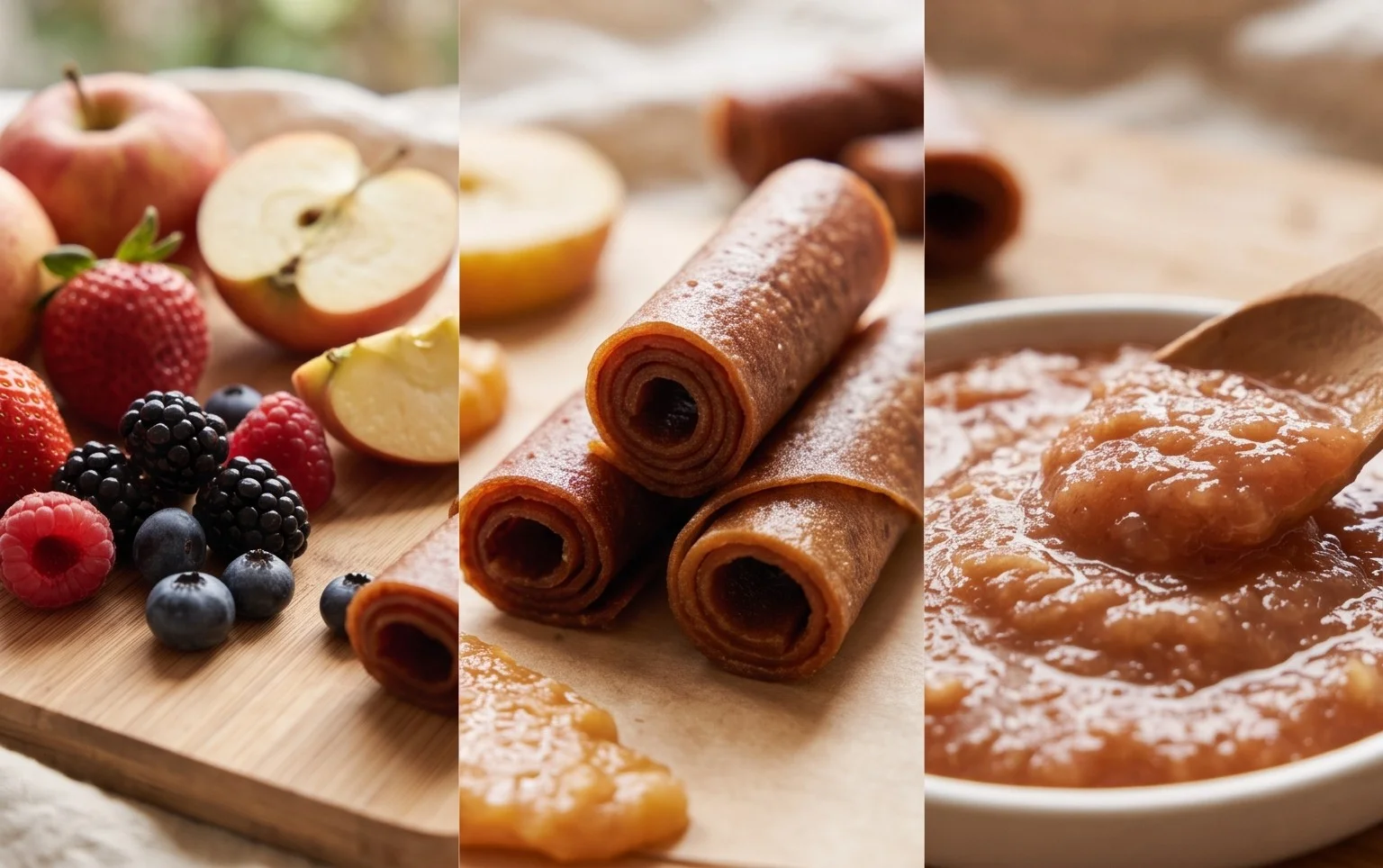
The beauty of homemade fruit leather lies in its simplicity. It’s made from just one primary ingredient: fruit! You can use fresh or frozen fruits, a blend of different varieties, or even incorporate a touch of natural sweetener if desired, though the natural sweetness of ripe fruit is often more than enough. The process typically involves pureeing fruit, spreading it thinly onto a baking sheet, and then drying it out either in a low oven or a dehydrator until it achieves that characteristic leathery texture. It’s a fantastic way to use up seasonal produce and introduce your children to a wider variety of fruits.
What to Look For: Signs of Success and Common Factors
When making your own fruit leather, you’ll want to pay attention to a few key indicators to ensure you’re on the right track and to understand what influences the outcome.
Common signs of successful fruit leather include:
- A pliable, leathery texture: It should bend without breaking and be chewy, not brittle or sticky.
- Even drying: The entire sheet should be dry, with no wet or gooey spots.
- Vibrant color: The color will depend on the fruits used, but it should be rich and appealing.
- Concentrated fruit flavor: The sweetness and taste of the fruit should be prominent.
Several factors can influence the success of your fruit leather:
- Fruit ripeness: Riper fruits are naturally sweeter and have more moisture, which can affect drying time.
- Fruit consistency: The thickness of the fruit puree is crucial. Too thick, and it will take forever to dry; too thin, and it might become too brittle.
- Drying temperature and time: Maintaining a low temperature is key to drying rather than baking the fruit, preserving its nutrients and flavor. Over-drying can lead to brittleness.
- Humidity: High humidity levels in your environment can make the drying process longer.
General Guidance on Healthy Snacking for Children
Health authorities broadly emphasize the importance of offering children nutrient-dense foods and limiting their intake of processed snacks high in added sugars, unhealthy fats, and sodium. The focus is on whole, unprocessed foods that provide essential vitamins, minerals, and fiber.
General guidance often suggests that snacks should contribute positively to a child’s overall diet. This means choosing options that offer sustained energy and valuable nutrients, rather than empty calories.
Key recommendations often include:
- Prioritizing whole fruits and vegetables.
- Incorporating healthy fats from sources like nuts, seeds, and avocados.
- Including lean protein sources.
- Limiting foods with high levels of added sugars, salt, and saturated fats.
Homemade fruit leather aligns well with these principles by utilizing the natural sweetness and nutrients of fruit. It’s a way to control exactly what goes into the snack, ensuring minimal to no added sugars or artificial ingredients.
Practical Everyday Habits: Making Fruit Leather a Staple
Integrating homemade fruit leather into your family’s routine is easier than you might think. Here are some practical habits you can adopt:
-
Fruit Preparation Routine: Dedicate a small amount of time each week, perhaps on a weekend, to preparing your fruit. Wash, chop, and puree your chosen fruits. You can store the puree in airtight containers in the refrigerator for a few days or freeze portions for later use. This batch preparation makes the actual drying process much quicker.
-
Invest in the Right Tools: While a standard oven can work, a dehydrator significantly streamlines the process and offers more consistent results. Parchment paper or silicone baking mats are essential for preventing sticking.
-
Experiment with Flavor Combinations: Don’t be afraid to mix and match! Apple and cinnamon, strawberry and banana, mango and pineapple – the possibilities are endless. This keeps things exciting for your kids and allows you to introduce them to new fruit pairings.
-
Portion Control: Cut the fruit leather into manageable sizes. Small squares or strips are perfect for little hands and help with portion control, especially if you’re concerned about natural sugars from fruit.
-
Snack Box Inclusion: Once made and cooled, roll up the fruit leather or cut it into strips and pack it into your child’s lunchbox or snack bag. It’s a fantastic alternative to pre-packaged snacks and is often met with great enthusiasm.
-
Educate Your Children: Involve your children in the process. Let them help wash the fruit, press the buttons on the blender, or even cut out shapes once the leather is made. This can foster a greater appreciation for healthy foods.
What the Evidence Supports (and Doesn’t)
The evidence strongly supports the nutritional benefits of consuming whole fruits. Fruits are rich sources of vitamins (like Vitamin C and A), minerals (such as potassium), dietary fiber, and various antioxidants. These components are crucial for growth, development, immune function, and overall health.
When you make fruit leather at home, you are essentially concentrating these beneficial compounds. The drying process can slightly reduce some heat-sensitive vitamins, but the majority of the nutrients remain intact. Furthermore, homemade fruit leather typically contains only the natural sugars present in the fruit, which are accompanied by fiber, slowing down their absorption into the bloodstream compared to the refined sugars found in many processed snacks.
What the evidence does NOT support is the notion that fruit leather, even homemade, is a “free food” with no calorie or sugar content. While the sugars are natural and come with nutrients, they are still sugars. Overconsumption, even of natural sugars, can contribute to excess calorie intake. The concentration of fruit can mean a smaller portion packs a more significant caloric and sugar punch than an equivalent volume of fresh fruit.
Additionally, while homemade fruit leather is a healthy snack option, it’s not a substitute for a balanced diet that includes a variety of food groups. It should be enjoyed as part of a varied and nutritious eating pattern.
Common Myths Worth Correcting
There are a few common misconceptions about homemade fruit leather that are worth addressing:
- Myth 1: Homemade fruit leather is sugar-free. While you can avoid *added* sugars, all fruits contain natural sugars (fructose). The drying process concentrates these sugars, so it’s not sugar-free, just naturally sweetened.
- Myth 2: All fruit leathers are the same nutritionally. Store-bought fruit leathers often have significant amounts of added sugars, high-fructose corn syrup, and artificial ingredients. Homemade versions allow you to control these factors, making them a far superior nutritional choice.
- Myth 3: Fruit leather is not very nutritious because the drying process destroys vitamins. While some heat-sensitive vitamins can be reduced, most of the essential vitamins, minerals, and fiber from the original fruit are retained.
- Myth 4: It’s difficult and time-consuming to make. With a little planning and batch preparation, making fruit leather can be quite straightforward and a rewarding activity.
When to Seek Professional Advice
While homemade fruit leather is a healthy and enjoyable snack for most children, there are instances when consulting a qualified healthcare professional is advisable. If you have specific concerns about your child’s diet, growth, or any underlying health conditions, it’s always best to seek personalized guidance.
You should speak with a qualified healthcare professional if:
- Your child has specific dietary restrictions, allergies, or intolerances that might be affected by fruit ingredients.
- You are concerned about your child’s weight, either being underweight or overweight, and need personalized advice on their overall diet.
- Your child has a medical condition, such as diabetes or kidney issues, where managing sugar intake or specific nutrients is critical.
- You have questions about introducing new foods to your child or are unsure about appropriate portion sizes for their age and health status.
- Your child exhibits unusual or persistent digestive issues, despite making dietary changes.
A doctor, registered dietitian, or other qualified healthcare provider can offer tailored advice based on your child’s individual needs and medical history, ensuring they receive the best possible nutritional support.
Conclusion
Creating your own homemade fruit leather is a delightful and rewarding way to introduce healthier snacks into your family’s routine. The simplicity of using just fruit, and the flexibility to experiment with different flavors, makes it an accessible project for any household. Remember, the goal isn’t perfection, but progress. Small, consistent steps towards incorporating more whole foods can lead to significant, sustainable improvements in your children’s well-being. This information is for general guidance only and should not replace advice from a qualified healthcare professional.
We hope this inspires you to get creative in the kitchen! Feel free to explore more ideas on healthy snacking and family meal planning to continue building on these positive changes.