Mediterranean White Bean Salad is more than just a delicious dish; it’s a cornerstone of healthy eating that can subtly improve your daily well-being. This vibrant, flavorful salad, typically featuring creamy cannellini or navy beans, fresh vegetables like tomatoes and cucumbers, aromatic herbs, and a light olive oil dressing, offers a wealth of nutrients. It matters day to day because it provides sustained energy, supports digestive health, and contributes to a balanced diet without feeling restrictive.
This salad is particularly relevant for anyone seeking to incorporate more plant-based protein and fiber into their meals, whether they are vegetarian, vegan, or simply looking for healthier lunch or side dish options. It’s an accessible choice for busy individuals and families aiming for wholesome, satisfying food. In this article, we’ll explore the simple ingredients that make this salad so beneficial, discuss its versatility in meal planning, and highlight the practical ways it can support your overall health journey.

Mediterranean White Bean Salad: A Cornerstone of Healthy Eating
The Mediterranean diet, celebrated globally for its health benefits, is not just about olive oil and fresh produce. It’s a lifestyle that emphasizes whole, minimally processed foods. Among the stars of this dietary pattern is the humble white bean, a versatile legume that forms the base of many delicious and incredibly healthy dishes. A Mediterranean White Bean Salad is a prime example, offering a powerhouse of nutrients in a simple, satisfying meal.
What is Mediterranean White Bean Salad?
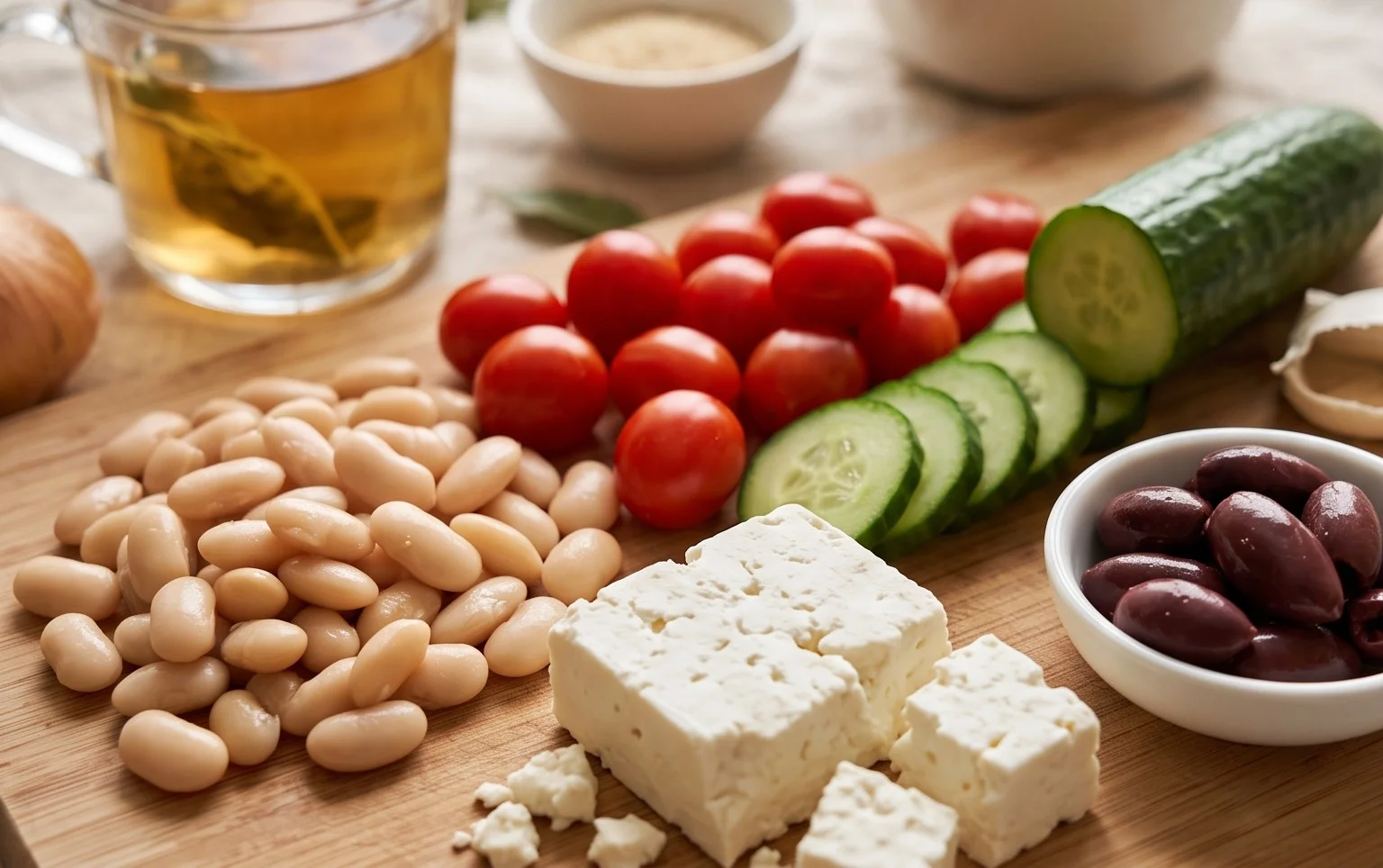
In plain language, a Mediterranean White Bean Salad is a dish where cooked white beans, such as cannellini, Great Northern, or navy beans, are tossed with a variety of fresh, vibrant ingredients typically found in Mediterranean cuisine. This usually includes chopped vegetables like tomatoes, cucumbers, bell peppers, and red onions, often accented with fresh herbs like parsley, mint, or oregano. A light dressing, commonly made with extra virgin olive oil, lemon juice or vinegar, and seasonings, brings everything together. The beauty of this salad lies in its simplicity and its ability to be customized, making it a flexible and nutritious choice for a meal or a side dish. It’s a celebration of plant-based goodness, focusing on flavor, texture, and a rich nutrient profile.
Common Signs or Factors Influencing Dietary Choices
The inclination towards dishes like Mediterranean White Bean Salad often stems from a desire to improve overall health and well-being. Several common signs or factors might prompt individuals to explore such dietary options:
* A growing awareness of the link between diet and chronic diseases like heart disease, type 2 diabetes, and certain cancers.
* Experiencing digestive issues, such as bloating or irregular bowel movements, and seeking foods that promote gut health.
* A desire for increased energy levels and improved mood, recognizing that nutrient-dense foods can play a significant role.
* Weight management goals, where individuals look for satisfying and filling meals that are also lower in calories and rich in fiber.
* A general interest in adopting healthier eating patterns, perhaps inspired by discussions with friends, family, or media coverage of beneficial diets.
* Concerns about aging gracefully and maintaining cognitive function, understanding that antioxidants and essential nutrients are vital for brain health.
General Guidance on Healthy Eating Patterns
Health authorities worldwide consistently recommend dietary patterns rich in fruits, vegetables, whole grains, and legumes, like white beans. The general guidance emphasizes:
* **Prioritizing Plant-Based Foods:** A significant portion of daily intake should come from plant sources, including a wide array of vegetables, fruits, nuts, seeds, and legumes.
* **Choosing Whole Grains:** Opting for whole grains over refined grains provides more fiber and essential nutrients.
* **Including Healthy Fats:** Incorporating sources of monounsaturated and polyunsaturated fats, such as olive oil, avocados, nuts, and seeds, is encouraged.
* **Adequate Protein Intake:** Ensuring sufficient protein from both plant and lean animal sources supports muscle health and satiety.
* **Limiting Processed Foods:** Reducing the consumption of foods high in added sugars, unhealthy fats, and sodium is a common recommendation.
* **Hydration:** Drinking plenty of water throughout the day is crucial for overall bodily function.
Mediterranean White Bean Salad aligns beautifully with these principles, offering a substantial amount of plant-based protein, fiber, vitamins, and minerals while being naturally low in unhealthy fats and sodium when prepared with minimal added salt.
Practical Everyday Habits You Can Act On
Incorporating Mediterranean White Bean Salad into your routine is straightforward and can be achieved through simple, actionable habits:
* **Batch Cooking Beans:** Cook a large batch of dried white beans at the beginning of the week. Once cooled, they can be stored in the refrigerator for several days or frozen for longer use. Alternatively, use high-quality canned beans, rinsing them thoroughly to reduce sodium content.
* **Pre-Chopping Vegetables:** Wash and chop your salad vegetables (tomatoes, cucumbers, bell peppers, onions) ahead of time and store them in airtight containers in the refrigerator. This makes assembly quick and easy.
* **Herb Garden or Pre-Washed Herbs:** Keep a small pot of fresh parsley or mint on your windowsill, or purchase pre-washed fresh herbs for effortless inclusion.
* **Simple Dressing Prep:** Whisk together your lemon juice or vinegar, olive oil, and seasonings in a small jar. This can be done in advance and stored.
* **”Salad in a Jar” Method:** Layer your salad components in mason jars. Place the dressing at the bottom, followed by the beans, then the firmer vegetables, and finally the leafy greens or herbs at the top. This keeps ingredients fresh and prevents sogginess.
* **Meal Prep Portions:** Assemble individual portions of the salad in containers for easy grab-and-go lunches or quick dinners.
* **Versatile Serving:** Serve as a main course, a light lunch, a side dish for grilled fish or chicken, or even as a healthy appetizer with whole-grain crackers.
* **Ingredient Swaps:** Don’t be afraid to adapt. If you don’t have cucumbers, use zucchini. If you prefer dill over parsley, go for it. The flexibility is part of its appeal.
What the Evidence Does and Does Not Support
The Mediterranean diet, of which white bean salads are a part, is one of the most extensively studied dietary patterns.
* **What the Evidence Supports:**
* **Cardiovascular Health:** Numerous studies link adherence to the Mediterranean diet with a reduced risk of heart disease, stroke, and high blood pressure. The fiber and plant-based protein in white beans contribute to a healthy lipid profile and blood pressure.
* **Diabetes Management and Prevention:** The high fiber content of white beans helps regulate blood sugar levels, making them beneficial for individuals with or at risk of type 2 diabetes.
* **Weight Management:** The combination of protein and fiber in white beans promotes satiety, helping to reduce overall calorie intake and aiding in weight management.
* **Gut Health:** The prebiotic fibers found in legumes feed beneficial gut bacteria, supporting a healthy microbiome, which is increasingly recognized for its role in overall health.
* **Nutrient Density:** White beans are excellent sources of folate, magnesium, potassium, iron, and various antioxidants, contributing to overall nutrient intake.
* **What the Evidence Does Not Support (or Requires More Research):**
* **Specific “Superfood” Claims:** While white beans are incredibly healthy, attributing miraculous cures or overly specific disease eradication to them alone is not supported. Health benefits are derived from the overall dietary pattern.
* **Dosage-Specific Benefits:** While general recommendations exist, precise amounts of white beans needed for specific health outcomes are not typically established in general dietary guidance. The focus is on regular inclusion.
* **Universal Efficacy:** Individual responses to dietary changes can vary based on genetics, lifestyle, and overall health status. What is highly beneficial for one person may have a slightly different impact on another.
Common Myths Worth Correcting
* **Myth: Beans cause excessive gas and bloating for everyone.** While some individuals are more sensitive to the fiber in beans, thorough rinsing of canned beans, soaking and discarding water from dried beans, and gradual introduction into the diet can significantly reduce gas. Many people find they tolerate them well once their digestive systems adapt.
* **Myth: White beans are bland and unappealing.** This is far from the truth. When combined with fresh herbs, vibrant vegetables, and a flavorful dressing, white beans absorb flavors beautifully and provide a satisfying texture. Their mild taste makes them a perfect canvas for a variety of culinary creations.
* **Myth: Beans are not a complete protein source.** While most plant-based proteins don’t contain all essential amino acids in ideal ratios on their own, white beans are a good source of protein, and when consumed as part of a varied diet that includes other plant-based foods and even small amounts of animal products, the body can obtain all necessary amino acids.
* **Myth: You need to follow a strict, restrictive diet to be healthy.** The Mediterranean diet, and by extension, dishes like white bean salad, emphasize balance and inclusivity. It’s about enjoying a wide variety of nutritious foods rather than eliminating entire food groups.
Clear Signs That Mean You Should Speak to a Qualified Professional
While Mediterranean White Bean Salad is a healthy addition to most diets, it’s crucial to remember that personal health needs are unique. You should consult a qualified healthcare professional, such as a doctor or a registered dietitian, if you experience any of the following:
* **Persistent Digestive Distress:** If you experience severe or ongoing bloating, gas, abdominal pain, or changes in bowel habits that don’t improve with dietary adjustments, it’s important to rule out underlying medical conditions.
* **Allergies or Intolerances:** If you suspect you have an allergy or intolerance to any of the ingredients in the salad, or legumes in general.
* **Kidney Issues:** Individuals with certain kidney conditions may need to monitor their potassium and phosphorus intake, which are present in beans.
* **Gastrointestinal Disorders:** If you have pre-existing conditions like Irritable Bowel Syndrome (IBS) or Inflammatory Bowel Disease (IBD), it’s advisable to discuss dietary changes with your healthcare provider.
* **Medication Interactions:** While uncommon, some dietary components can interact with certain medications.
* **Underlying Health Conditions:** If you have any chronic health conditions, it’s always best to discuss significant dietary changes with your doctor or a registered dietitian to ensure it aligns with your overall treatment plan.
* **Concerns About Nutritional Deficiencies:** If you are worried about not getting enough essential nutrients, a professional can assess your diet and provide personalized recommendations.
Consult a Qualified Healthcare Professional for Personal Advice
This article provides general information about Mediterranean White Bean Salad and its place within healthy eating patterns. It is not intended to be a substitute for professional medical advice, diagnosis, or treatment. Always seek the advice of your physician or other qualified health provider with any questions you may have regarding a medical condition or dietary changes. Never disregard professional medical advice or delay in seeking it because of something you have read in this article. Engaging with a registered dietitian or nutritionist can provide you with personalized guidance tailored to your specific health goals, dietary needs, and medical history.
Conclusion
The Mediterranean white bean salad offers a delicious and accessible way to incorporate wholesome ingredients into your diet. Remember, the key to lasting health and wellness isn’t about radical overhauls, but rather embracing small, sustainable changes. By enjoying vibrant dishes like this Mediterranean white bean salad, you’re already on a fantastic path. This information is intended for general guidance and should not replace personalized advice from a qualified healthcare professional. Continue exploring the wonderful world of healthy eating and discover more nutritious recipes that nourish your body and mind.